
Door type and duty cycle
A high-traffic loading bay needs different hardware and springing than a low-use storage opening. Usage drives the track, rollers, springs, and operator choice.
Serving St. Petersburg, Florida & surrounding areas
Calls answered around the clock
Describe your building and opening once, and we'll connect you with a local St. Petersburg contractor who installs and supports commercial overhead door systems.
CALL NOW: (727) 591-5758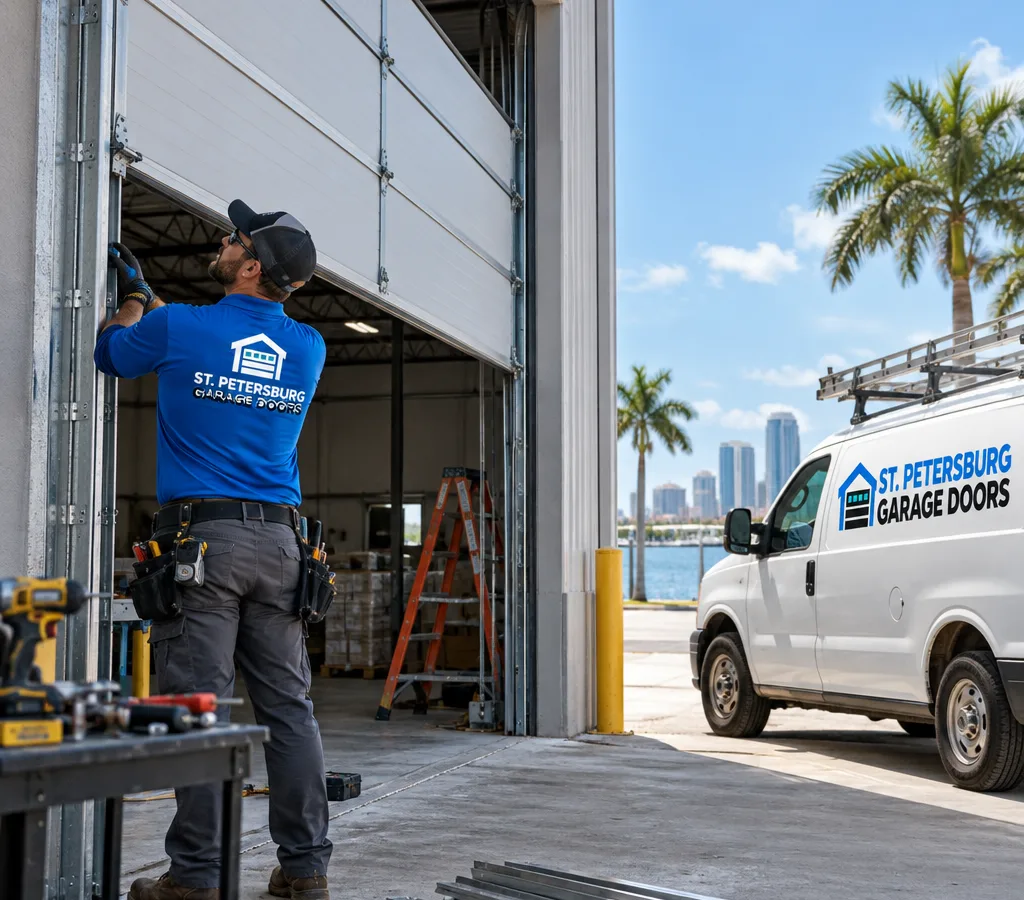
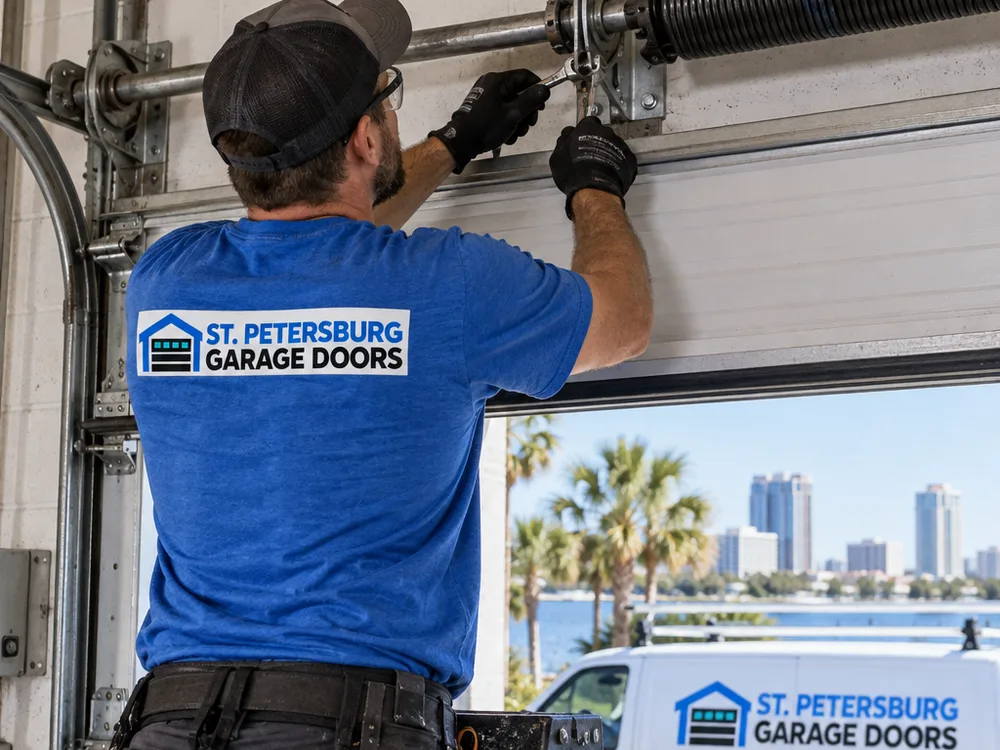
Commercial garage door installation is more than hanging a door. The contractor has to match the door type, lift configuration, operator, and safety devices to the way your facility actually works.
Most commercial installs in St. Petersburg fall into a few common categories:
If you're comparing options, a good conversation starts with how the door is used. Is it a shipping lane that cycles all day? A secure back entrance that stays closed? A vehicle bay exposed to wind? Describe that once to St. Petersburg Garage Doors and we'll connect you with a local contractor who handles commercial installations and can recommend a setup that fits the opening and workflow.
CALL NOW: (727) 591-5758The opening, workflow, and equipment all shape the commercial door system a contractor will discuss with you.
CALL NOW: (727) 591-5758A high-traffic loading bay needs different hardware and springing than a low-use storage opening. Usage drives the track, rollers, springs, and operator choice.
Headroom, side room, and backroom determine whether the door can use standard lift or needs high-lift or vertical-lift tracks.
Coastal weather and sudden gusts can affect door selection, bracing, and the way the opening is sealed and reinforced.
Operators may need dedicated circuits, specific voltage, or integration with keypad, card access, or gate systems. Bring up how access works at your facility.
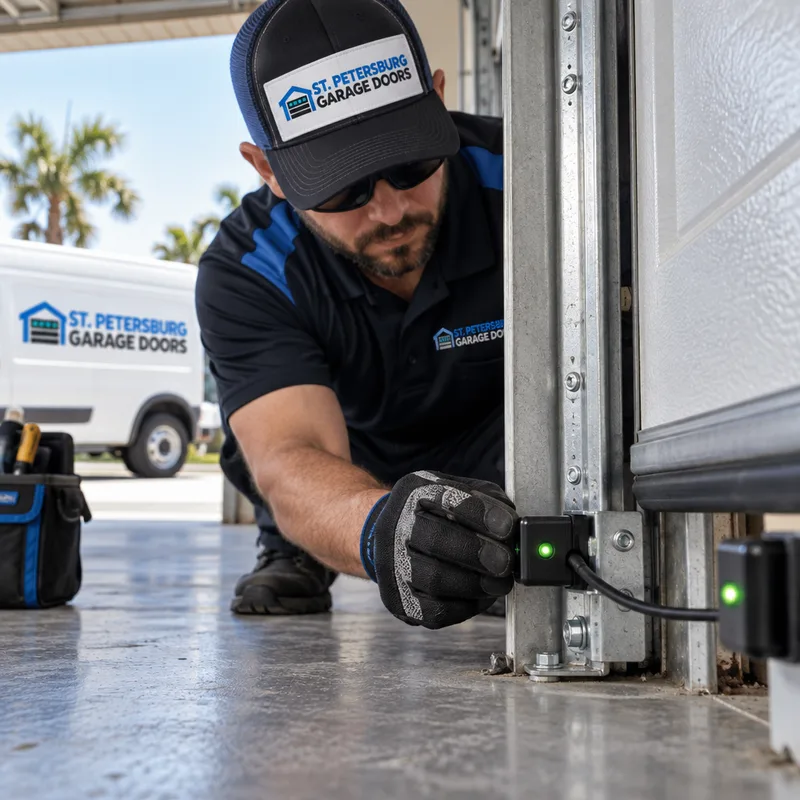
Commercial operators rely on monitored safety devices and correct settings. The contractor should verify sensors, travel limits, and force settings after installation.
You share door type (if known), opening size, ceiling height, how often the door cycles, and whether an operator is involved. We use that to connect you with a local contractor who fits the job.
The contractor confirms the opening dimensions, checks mounting surfaces, and notes clearances for track, shaft, and operator placement. If an older door is there, they'll look for signs of structural movement or hardware wear.
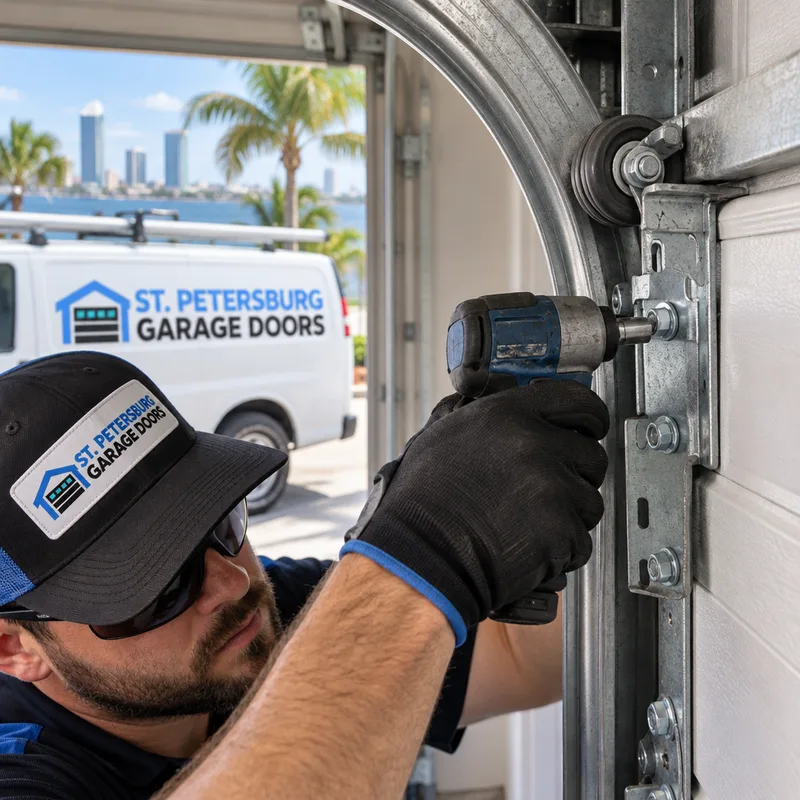
The old unit is removed (if needed), then tracks, panels or curtain, springs, cables, and operator components are installed. Final steps include balancing the door, setting limits, and verifying safety devices and manual release operation.
You get the day-to-day basics: how to operate safely, what noises or behavior to watch for, and what maintenance intervals to discuss, including lubrication points, hardware checks, and photo-eye cleaning.
If you need commercial garage door installation for a warehouse, storefront, or service bay, describe the opening and usage once and get connected with a local contractor who can take it from there.
CALL NOW: (727) 591-5758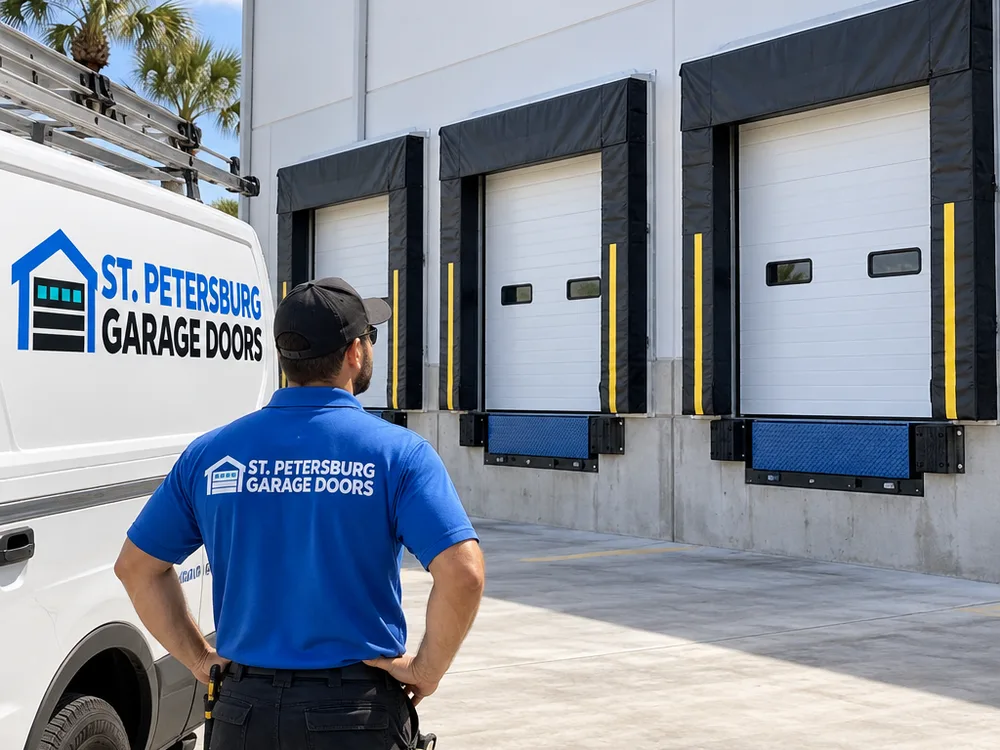
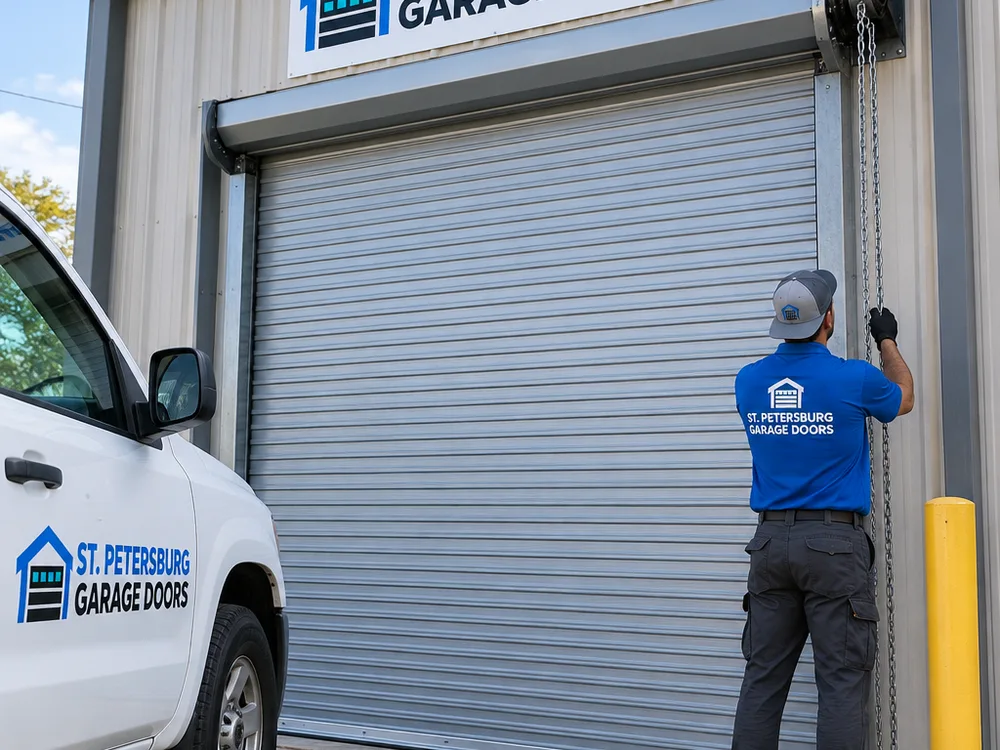
A contractor usually recommends repair when the door structure is sound and the issue is isolated to hardware, springs, cables, rollers, or the operator. If panels are badly bent, the curtain is damaged, the tracks are compromised, or parts are obsolete and repeatedly failing, replacement is often the practical path. When you call, describe what's happening—binding, drifting, loud banging, or stopping mid-travel—and whether the opening has been hit by a vehicle.
The most useful details are opening width and height, even if approximate, ceiling height, whether there's an existing door or operator, and how the door is used during a normal day. Also mention anything that affects installation space, like sprinklers, HVAC ducts, or racking near the opening. With that, we can connect you with a local contractor who is used to commercial installations rather than residential-only work.
Yes, roll up door repair often focuses on the curtain, guides, barrel or shaft, and tensioning system, while sectional doors rely on panels, hinges, rollers, cables, and torsion springs on a shaft above the opening. The symptoms can look similar—sticking, crooked travel, or hard manual lift—but the parts and adjustment methods differ. Tell the contractor which style you have or send a photo when you speak with them.
Many post-install issues come from impact damage, misalignment from a shifted opening, or wear from heavy cycling without routine checks. For operator-driven doors, limit settings, safety devices, and drive components can also cause stoppages. In busy facilities, even a small track bend or a frayed cable can turn into a shutdown, so it helps to address new noises, jerky movement, or uneven travel early.
The contractor you speak with can tell you what access they need and whether the opening must be fully out of service during the work. Some repairs are localized, like replacing rollers or a bottom seal, while others require the door to be secured and unloaded, like spring, cable, or shaft work. When you call, explain how critical the bay is and what hours you can give them access so they can plan around your operations.
They can be part of the same scope, but it depends on the door type, the operator you need, and your controls. Many commercial operators require monitored photo eyes and correct wall controls, and the contractor will typically verify travel limits and safety function after the install. If you already have an access system or keypad, mention it early so the contractor can account for compatibility and wiring.
St. Petersburg Garage Doors connects callers to local contractors based on the job description. If what you need is residential work instead, garage door repair in St. Petersburg is the right starting point so you're routed to a contractor focused on home systems.
Commercial doors vary by lift type, duty cycle, and operator setup. Describe what you have—or what you're replacing—once, and we'll connect you with a local St. Petersburg contractor who handles commercial garage door service, installation, and repairs.